Mexico’s tourism sector started 2026 with extraordinary momentum.
According to the Confederation of Chambers of Commerce, Mexico received 16.85 million international visitors in the first two months of the year.
But behind these record-breaking figures lies a more complicated reality. While the headlines celebrate growth, the daily lives of most workers in the sector tell a different story.
The Numbers That Matter
The tourism industry remains one of Mexico’s most important economic engines. The 2026 spring holidays alone brought in nearly USD 1.6 billion in revenue. The government’s Tourism Sector Program 2025-2030 (PROSECTUR) explicitly acknowledges a core problem: tourism benefits remain concentrated in a few consolidated sun-and-beach destinations and large cities, leaving many communities with tourism potential—rural, indigenous, and Afro-Mexican—without adequate infrastructure or promotion.
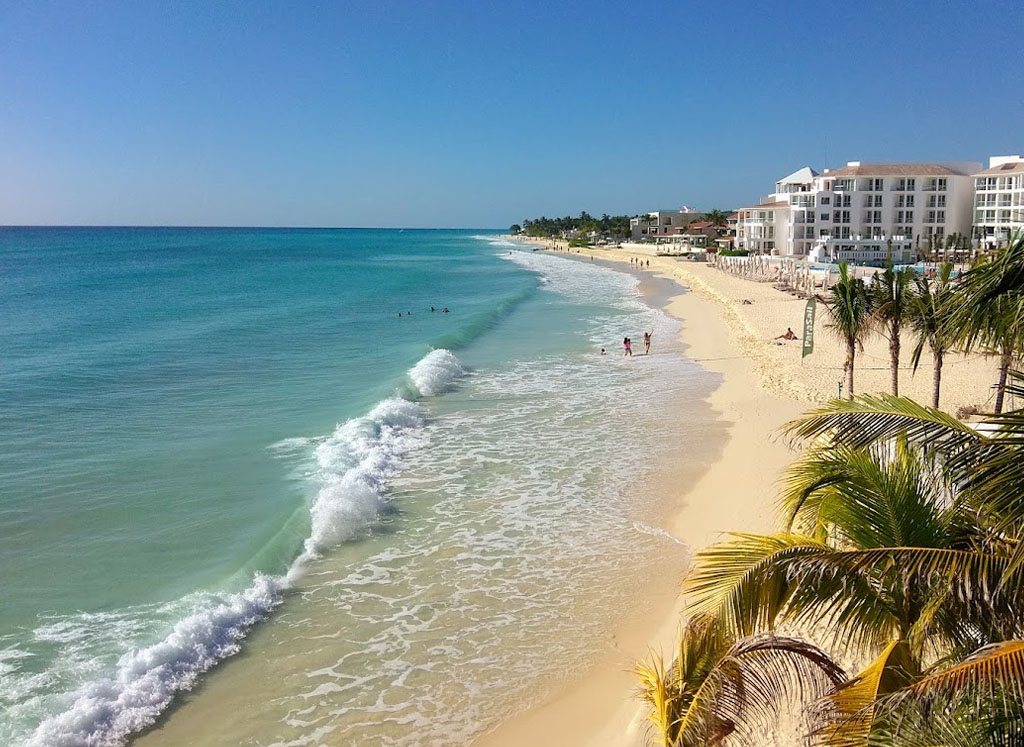
Data from Concanaco paints a stark picture: 55.4% of Mexico’s 59.5 million employed workers operate in the informal economy. That means more than half of all workers lack access to social security, basic legal benefits, or job stability. In Quintana Roo, home to Cancún, Playa del Carmen, and Tulum, the informal employment rate stands at 43%.
Octavio de la Torre, president of Concanaco Mexico’s tourism chamber of commerce, put it bluntly in a recent press conference. “We should celebrate that more Mexicans have jobs, but we cannot celebrate when those jobs are precarious,” he said.